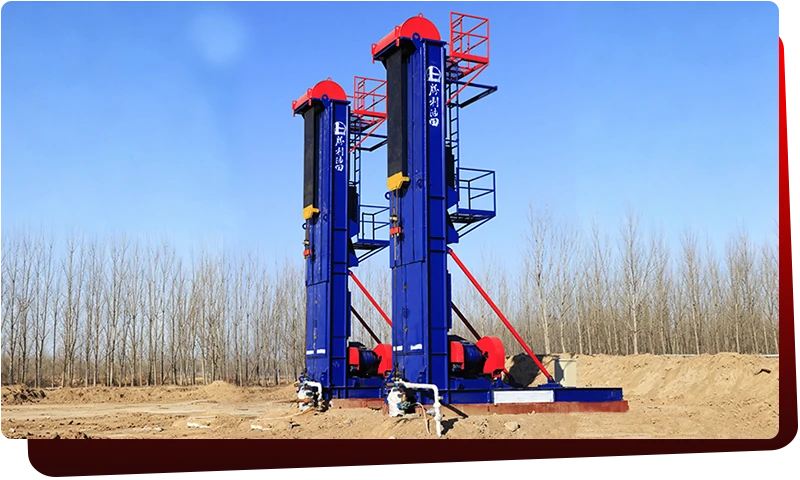
The system primarily consists of three core components: surface driving equipment (the pumping unit), downhole pumping devices (sucker rods and sucker rod pumps), and surface gathering pipelines. During operation, an electric motor drives the pumping unit's reciprocating motion through a reduction mechanism. This motion is transmitted via the sucker rod string to actuate the plunger of the downhole pump. Crude oil is drawn into the pump barrel during the upstroke and discharged into the tubing during the downstroke, ensuring that reservoir fluids are continuously lifted to the surface through sustained reciprocating cycles.
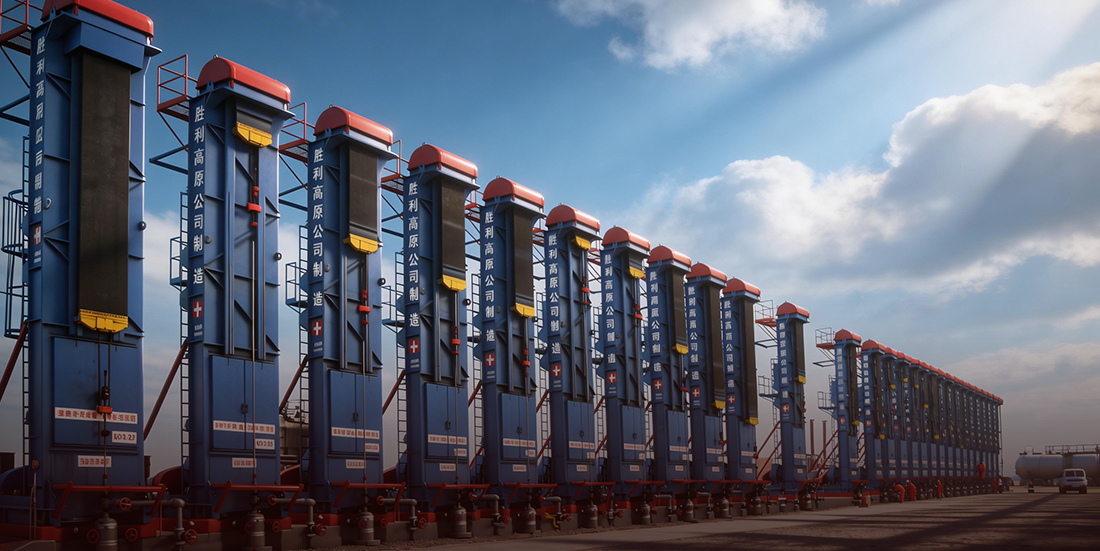
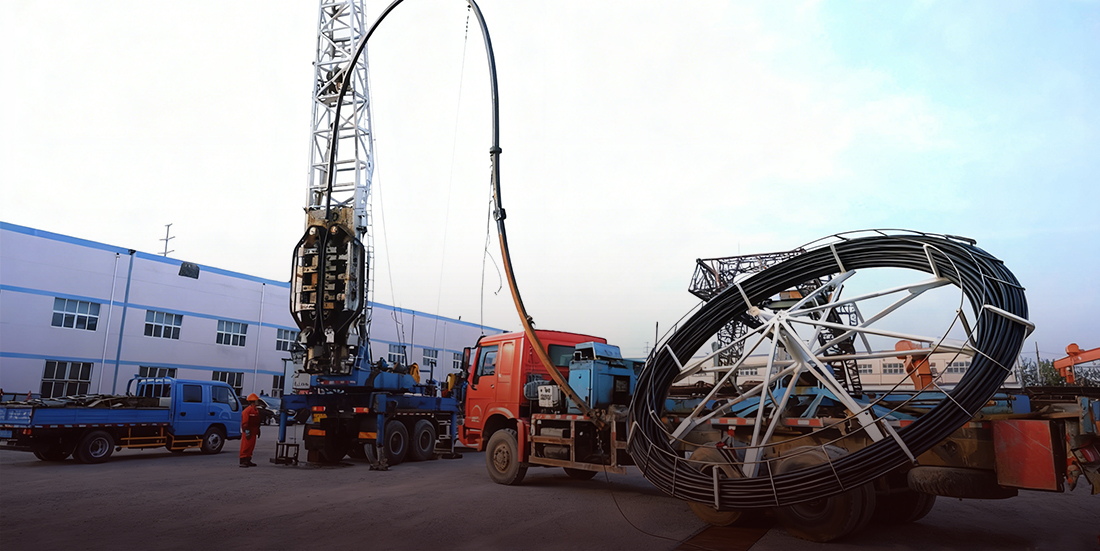
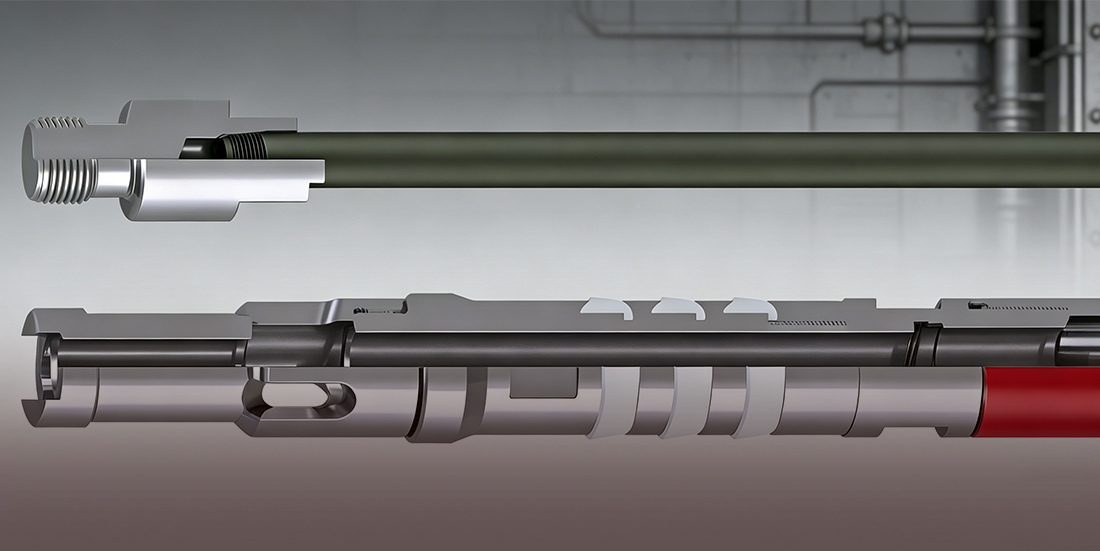
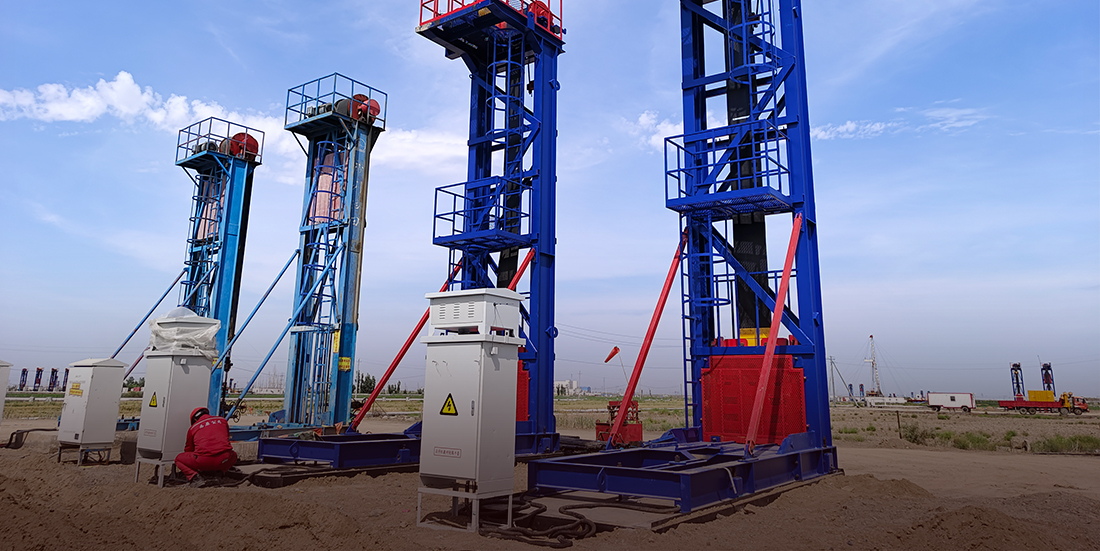
Featuring a classic mechanical transmission design, this system is renowned for its structural simplicity, low failure rate, and straightforward maintenance requirements. It ensures highly stable operation even in the harshest field environments. The equipment offers exceptional adaptability, capable of servicing both deep and shallow wells by simply adjusting the stroke length and pumping speed to meet diverse production demands. Furthermore, it provides excellent economic value; with a cost-effective initial investment and an impressive service life exceeding 15 years, it guarantees long-term operational efficiency and return on investment.
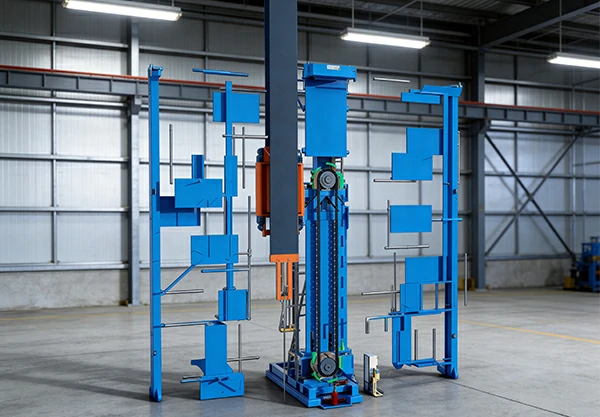
Recognized as one of the most adaptable artificial lift methods available, this system is highly versatile across diverse oil reservoir environments. By precisely adjusting parameters such as pumping speed, stroke length, and balance, it achieves optimal production efficiency under varying conditions. It is particularly effective for low-permeability reservoirs facing limited fluid supply and low production rates, while also excelling in mature oilfields during their medium-to-late stages characterized by high water cut.
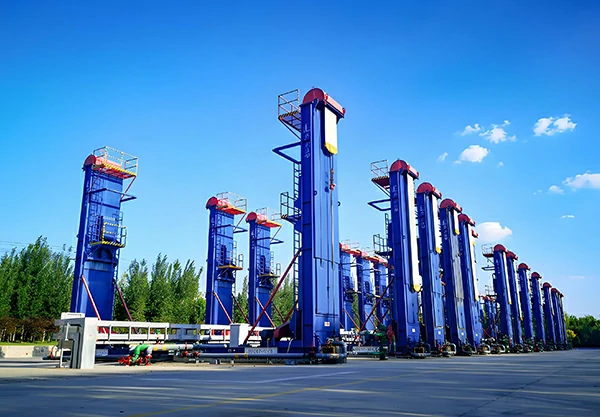
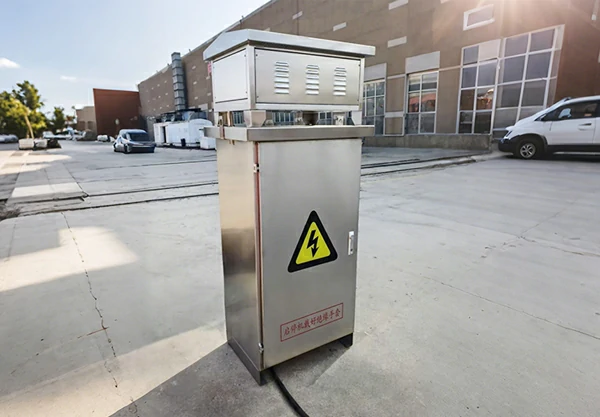
As the most widely adopted lifting technology in the petroleum industry, the pumping unit system boasts a fully mature industrial chain and high levels of standardization. This ensures a relatively low initial capital investment alongside the high interchangeability of spare parts, significantly reducing long-term maintenance costs. Furthermore, the system facilitates significant energy conservation through the integration of Variable Frequency Drives (VFDs). By utilizing variable frequency speed regulation, operators can dynamically adjust operational parameters in real-time based on specific well conditions, ensuring optimal efficiency and reduced power consumption.
Need Service?
Our unwavering goal is to consistently provide high-quality and satisfying services to our customers worldwide. We sincerely look forward to collaborating with industry peers!