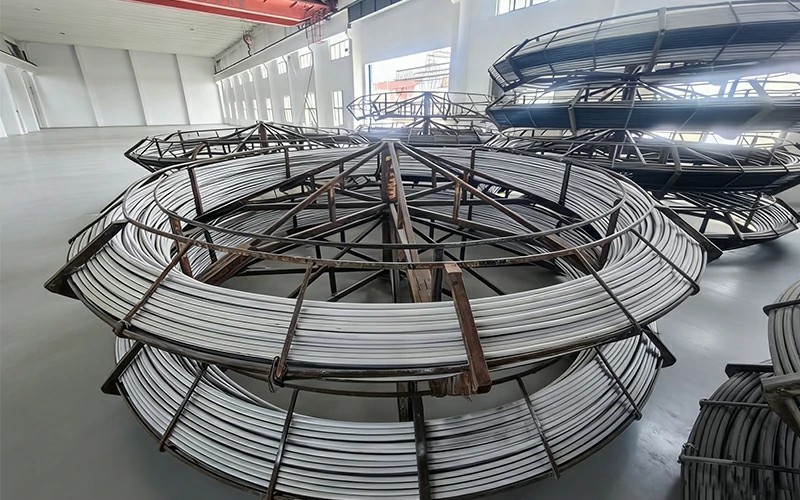
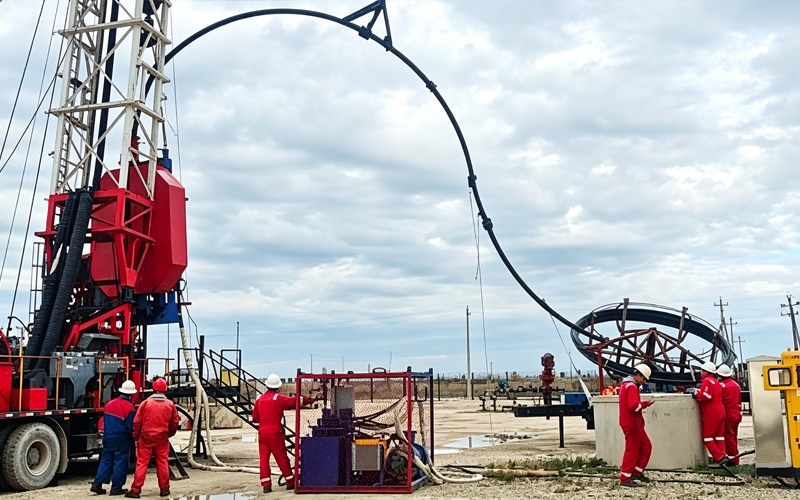
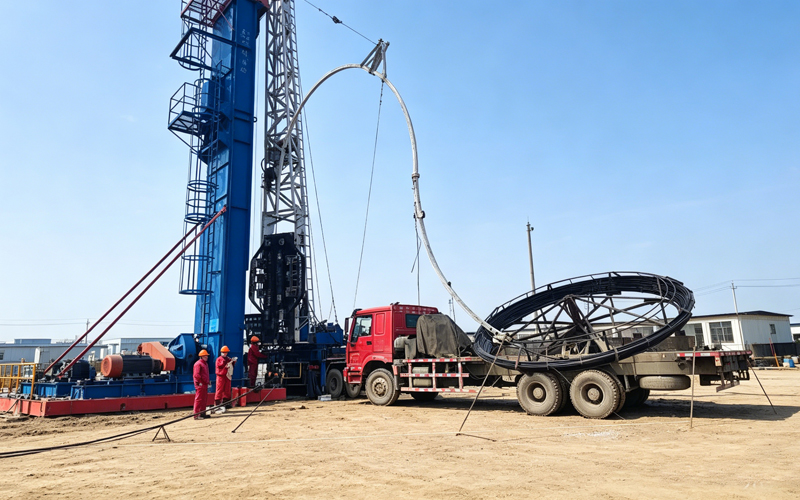
As oil and gas production extends to harsh conditions such as deep formations, high temperatures, and highly corrosive media (H₂S, CO₂), the failure rate of conventional sucker rods caused by coupling corrosion and pitting perforation has increased significantly. Statistics show that the sucker rod string is the component with the highest failure rate in the artificial lift system. The combination of integrated structural design and coating technology provides a systematic solution to the problem of rod string failure under corrosive well conditions.
Adopting an integrated coupling-free structure combined with protective coating, it achieves dual improvements in structural reliability and corrosion resistance.
Completely eliminates the hundreds of threaded connections inherent in conventional sucker rod strings, thereby fundamentally mitigating critical failure modes such as coupling corrosion, joint loosening, and fatigue fracture.
The specialized coating functions as a sacrificial anode, corroding preferentially to shield the underlying steel substrate. It ensures sustained corrosion resistance even under conditions of partial wear or mechanical abrasion.
The absence of protruding couplings guarantees uniform contact with the tubing wall, drastically reducing localized stress and wear. Furthermore, the low-friction coating significantly mitigates eccentric wear between the rod and tubing.
Utilizes a highly controlled continuous coating process to deliver a uniform, dense finish along the entire rod body, ensuring uncompromising quality consistency over lengths spanning several kilometers.
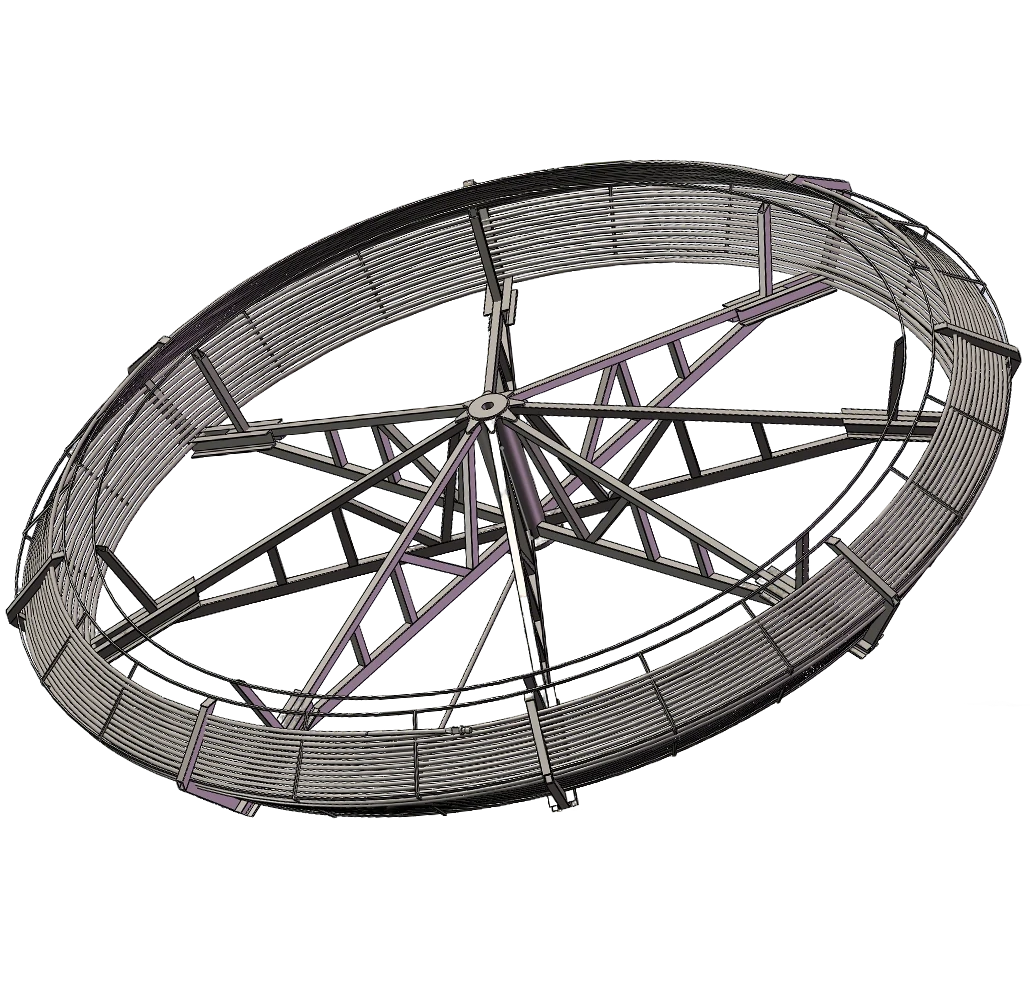
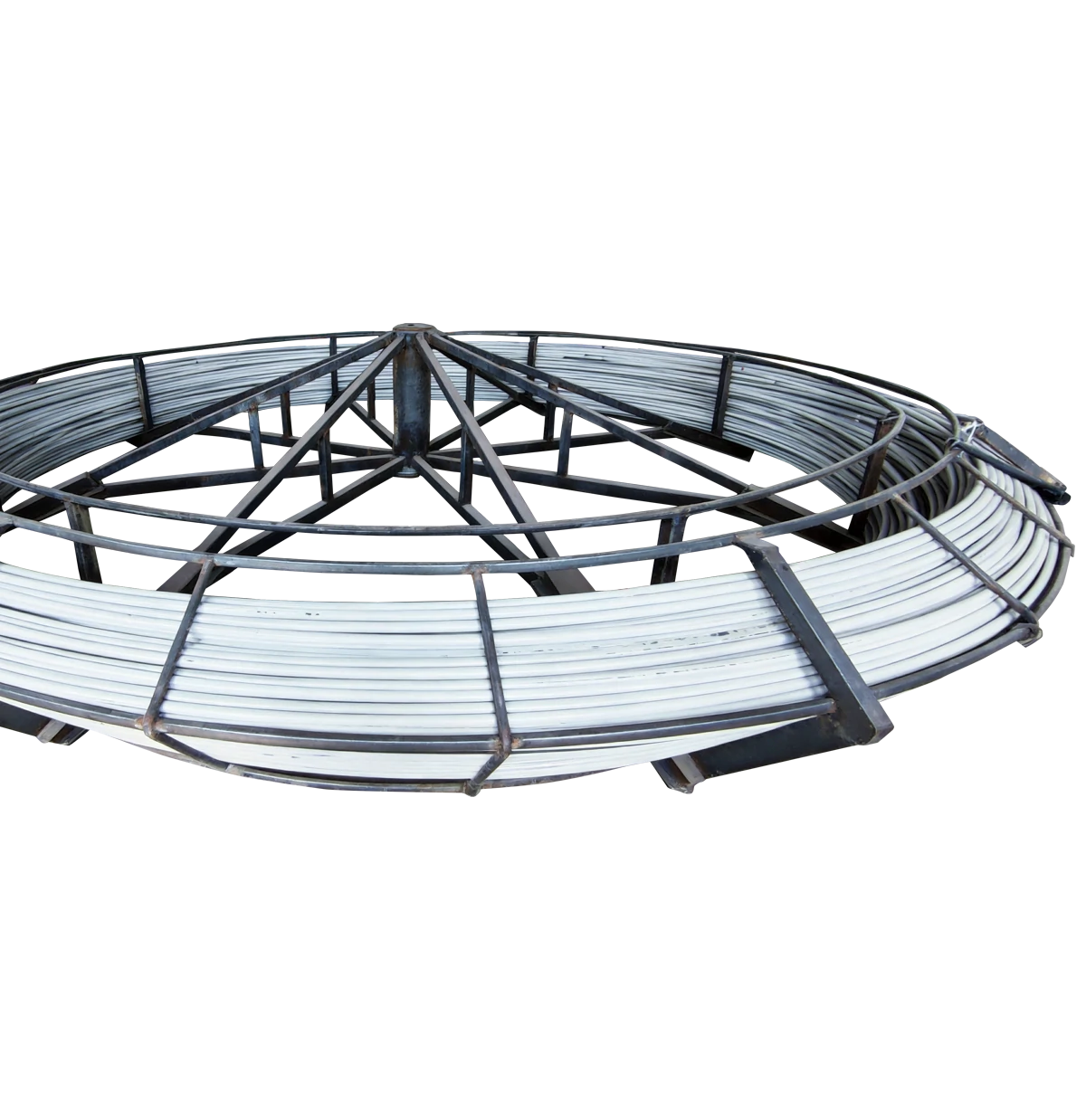

Traditional coatings rely on physical isolation, whose protective capacity drops rapidly once worn. Our protective coating provides continuous protection through an electrochemical mechanism, remaining effective even when partially worn to adapt to complex downhole conditions.

Taking directional wells and corrosive wells as examples, after adopting corrosion-resistant continuous sucker rods, the pump inspection cycle is extended from several months (with bare rods) to several years. This significantly reduces workover operations, minimizing production downtime losses and operational costs.

Suitable for complex working conditions including highly deviated wells, directional wells, high chloride/CO₂ wells, and high water-cut wells, meeting the demands of oil and gas development extending into more severe environments.

Cooperating with the continuous rod operation vehicle for running and pulling operations, it greatly improves the operation speed, shortens the oil well workover time, and reduces labor intensity while increasing production.
Traditional anti-corrosion solutions rely on physical barrier coatings, whose protective performance declines sharply after abrasion. The corrosion-resistant continuous sucker rod adopts a protective coating to block the electrochemical corrosion reaction of the steel substrate. It can still maintain protective effect even with partial coating wear, realizing active anti-corrosion performance.
The couplings and threaded joints of conventional sucker rod strings are high-risk locations for corrosion and fatigue failure. The corrosion-resistant continuous sucker rod adopts an integrated coupling-free structure, avoiding medium intrusion, crevice corrosion and stress concentration caused by multi-section rod connections, and improving the overall reliability of the rod string from the structural perspective.
It forms line contact with the inner wall of the tubing, enlarging the contact area and lowering local pressure to effectively alleviate eccentric wear between rod and tubing. Combined with the protective coating, it still maintains anti-corrosion capability after wear, extends the service life of rods and tubing, and reduces operation frequency.