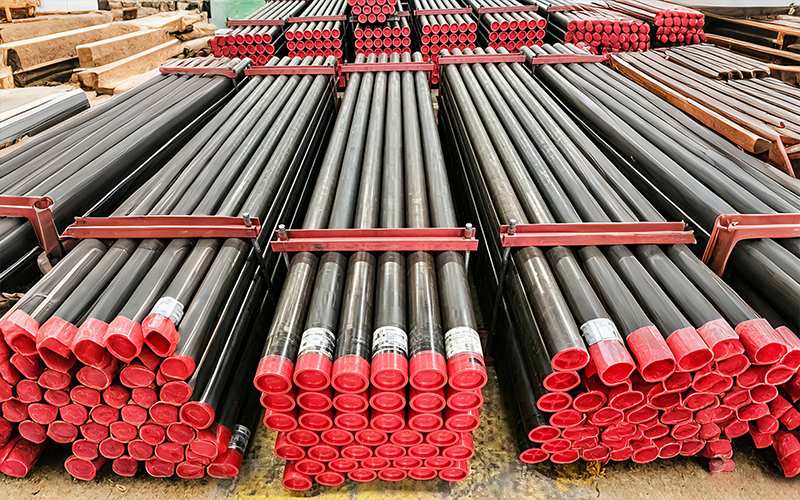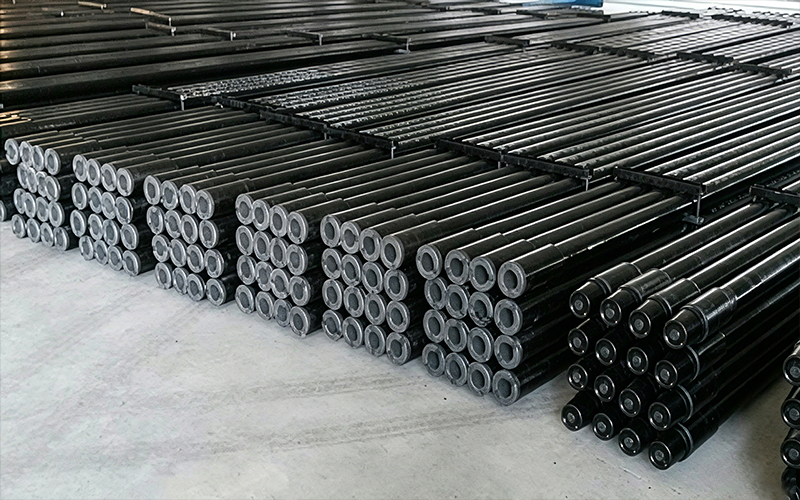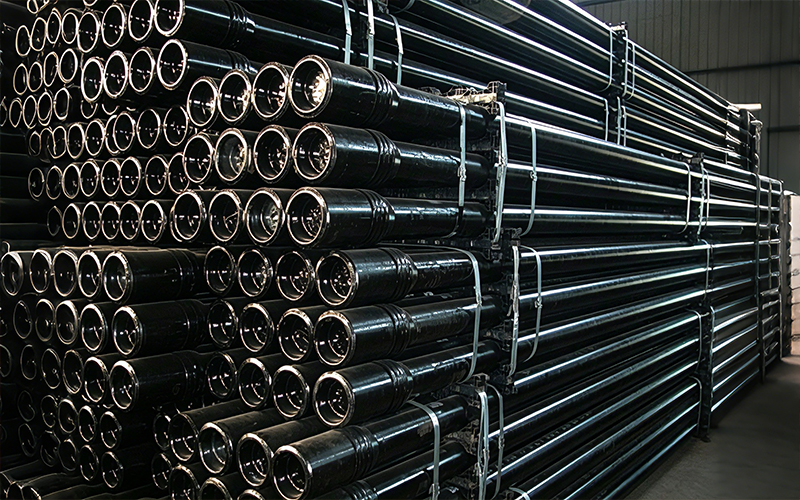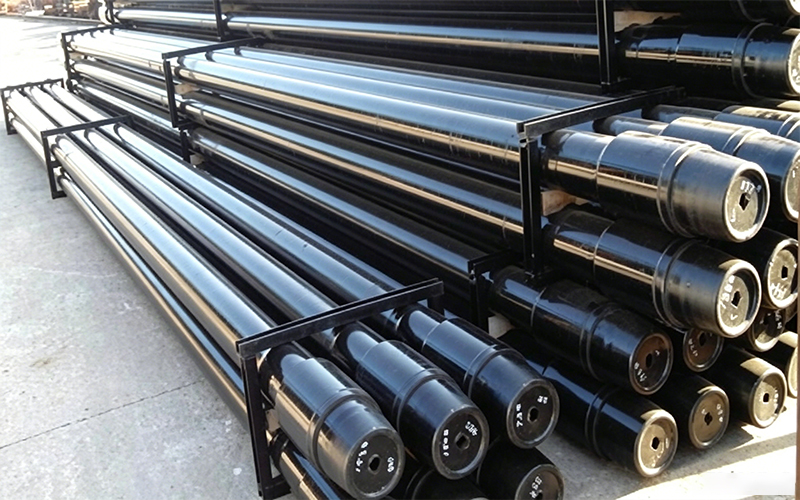
The drill string, which connects the surface drilling rig to the downhole drill bit, transmits torque, conveys drilling fluid, and bears the loads imposed by the drill string, serves as the primary component of an oil and gas drilling operation. Manufactured in accordance with the API 5DP specification, it can be repeatedly lifted and lowered for cyclic reuse and is often referred to as the "lifeline" of drilling operations.
Full drill string assembly sequence: Kelly → Standard Drill Pipe → Heavy-Weight Drill Pipe → Drill Collars → Stabilizers → Drill Bit
Manufactured from high-alloy seamless steel tubing, with upset ends (internal, external, or internal-external upset) to enhance weldability and fatigue resistance. The thin wall and lightweight design make it ideally suited for extended-reach drilling operations.
High-strength forged joint: one end features an external thread and the other end features an internal thread; the wall thickness of the joint is significantly greater than that of the pipe body; the outer surface of the internal thread can be clad with a wear-resistant coating to reduce friction and wear on the wellbore wall and prevent sticking or drill bit fracture incidents.
The pipe body's thickened section and the joint are joined by friction welding; post-welding overall heat treatment is performed to relieve stress, followed by non-destructive testing of the entire structure.
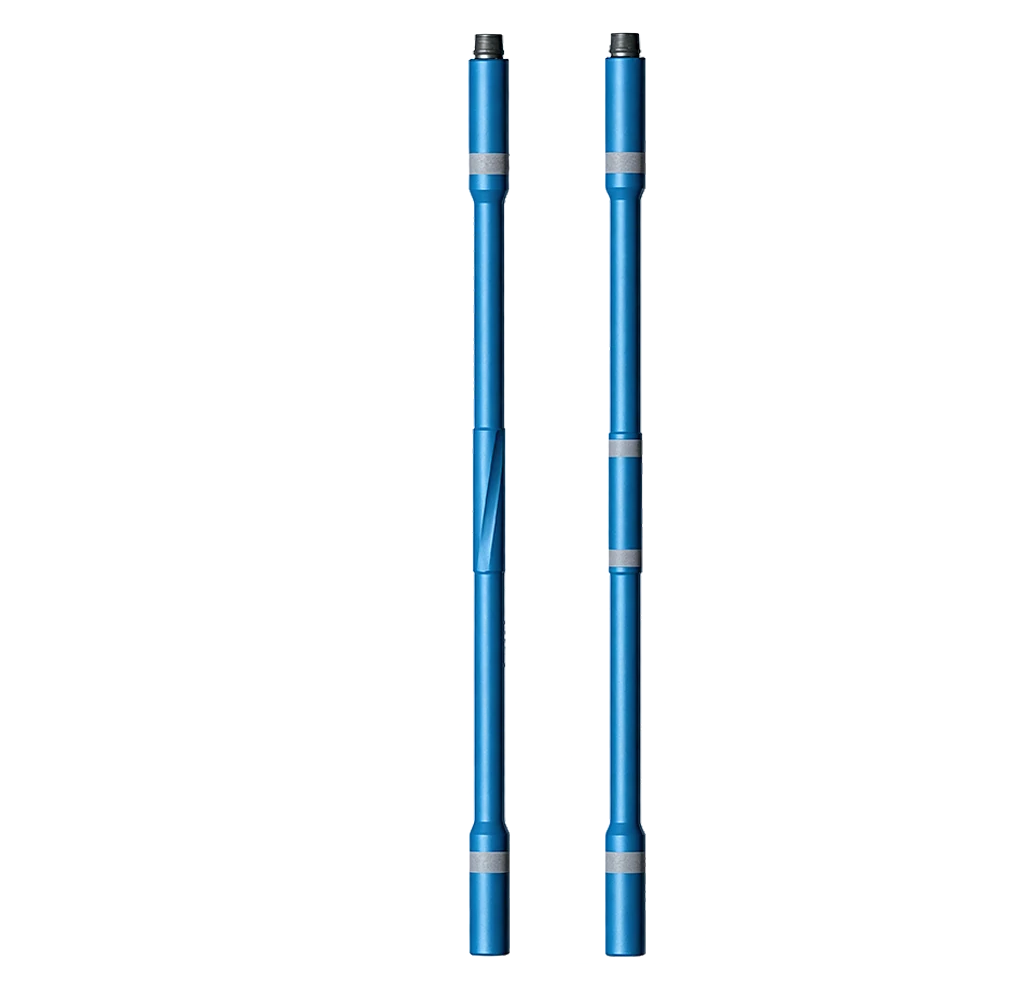
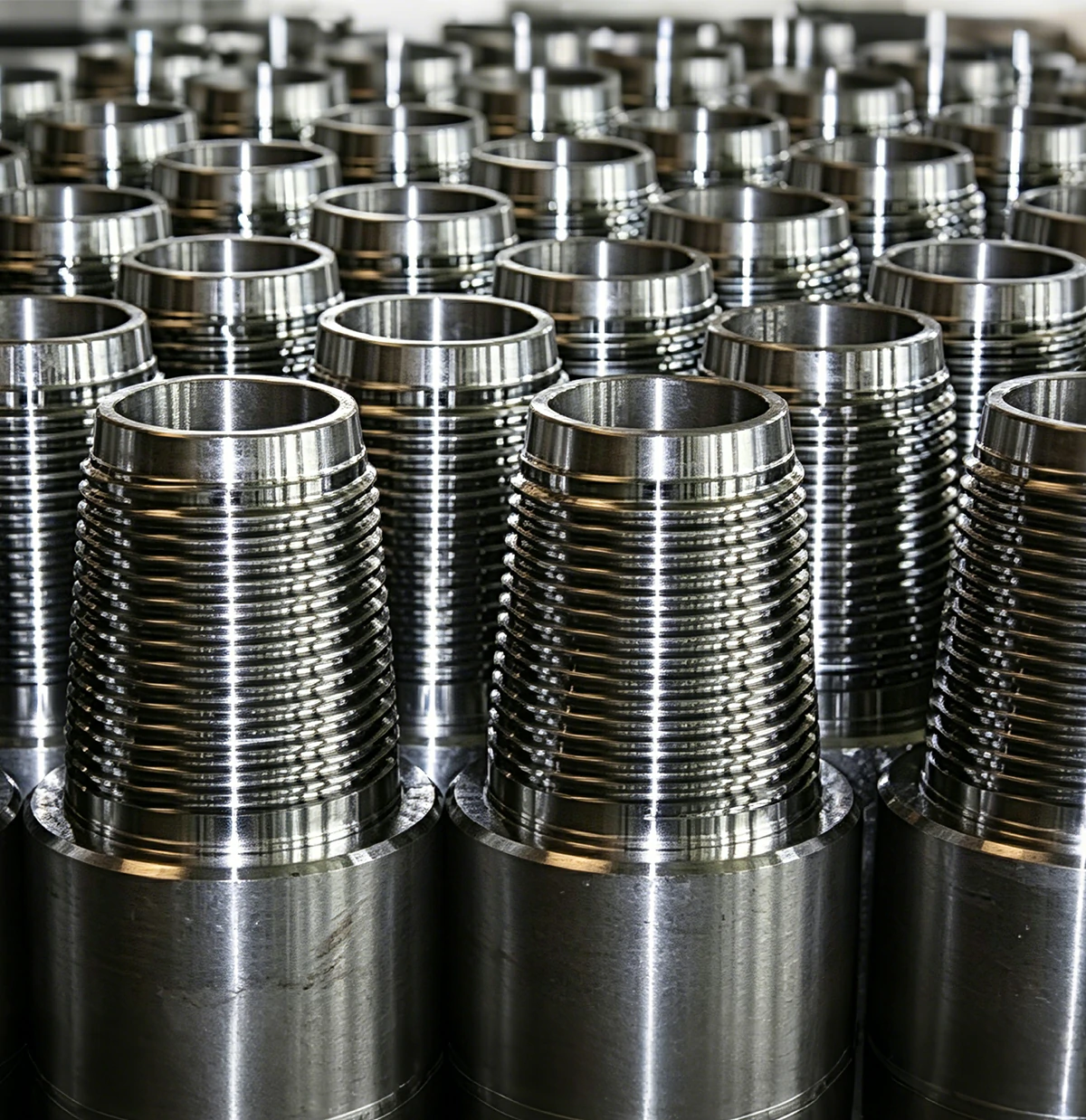

Manufactured from high-quality alloy steel, offering high strength; excellent fatigue and bending resistance; and good toughness.

Hollow flow-through structure that balances force transmission and slurry circulation; standardized specifications for high versatility; customizable sulfur-resistant and corrosion-resistant variants; multiple layers of corrosion protection.

Integrated friction welding forming ensures high overall reliability; the component can be repeatedly reused, offering excellent cost-effectiveness.
The product is exported to numerous countries, featuring mature and reliable performance with positive market feedback.
With stable quality and superior performance, the system is engineered for repeated tripping operations and extended service life, delivering significant total-cost-of-ownership advantages.
Providing high-quality, fast service with 24/7 availability and prompt response.