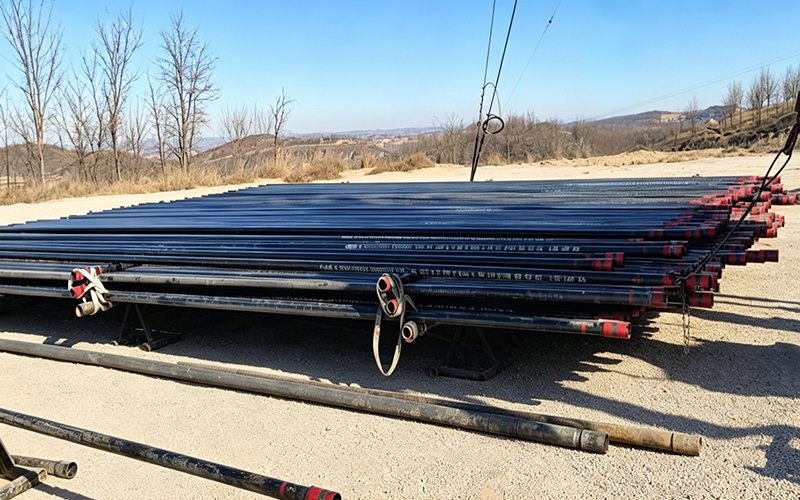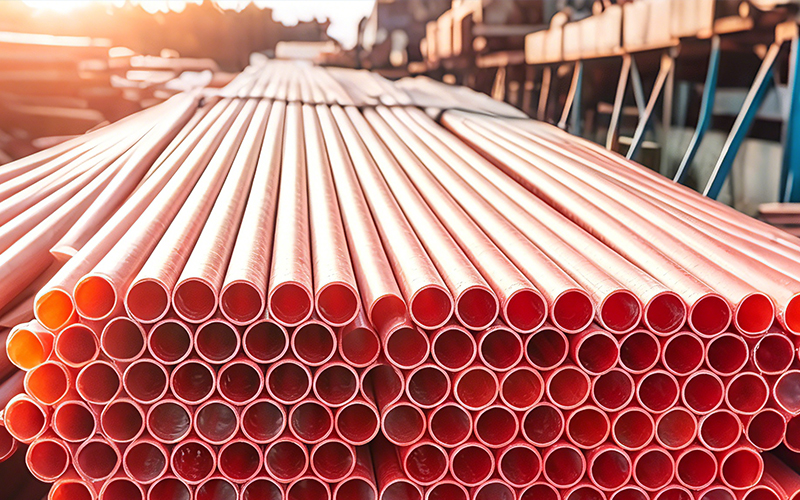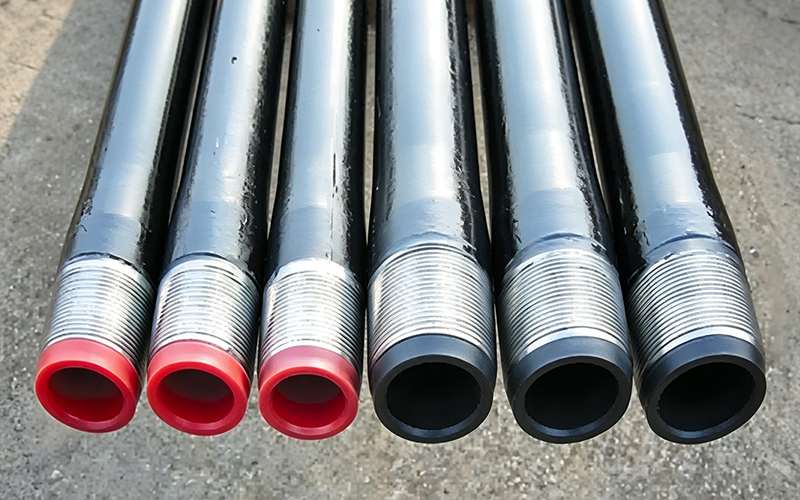
A composite tubing with a layer of high-polymer material on its inner wall, which possesses corrosion- and abrasion-resistant properties, is specifically designed to address challenges such as corrosion, scaling, and uneven wear on the rod and pipe.
Product specifications: 2-7/8” to 3-1/2”
Steel grade: N80, L80
Based on the substrate material and operating conditions, it is categorized into three types: normal temperature, high temperature, and extremely high temperature.
Molecular weight: 200,000 to 800,000. High-density polyethylene. Suitable for use in underground environments with temperatures up to 70°C and depths up to 1,500 meters. It exhibits wear-resistant, aging-resistant, and mildly acid/alkali-resistant properties. A mature solution for preventing wear and tear has been developed.
Ultra-high molecular weight polyethylene (UHMWPE) with a molecular weight of 1.5 to 2.5 million, can be used for extended periods at temperatures below 100°C. It is suitable for wells with depths below 2,200 meters, has a low friction coefficient and possesses self-lubricating properties. It is resistant to weak acids/bases and corrosive environments such as H₂S and CO₂. Its wear resistance is even higher, and its overall performance is excellent.
This material is composed of a variety of specialized nylon copolymers and belongs to a new type of high-performance nylon polymer material. It is heat-resistant, with a softening temperature of >200°C. It can be used underground for an extended period of time at temperatures up to 130°C (3,200 meters deep). It is odorless and non-toxic, does not pollute the formation, and creates a more favorable construction environment.
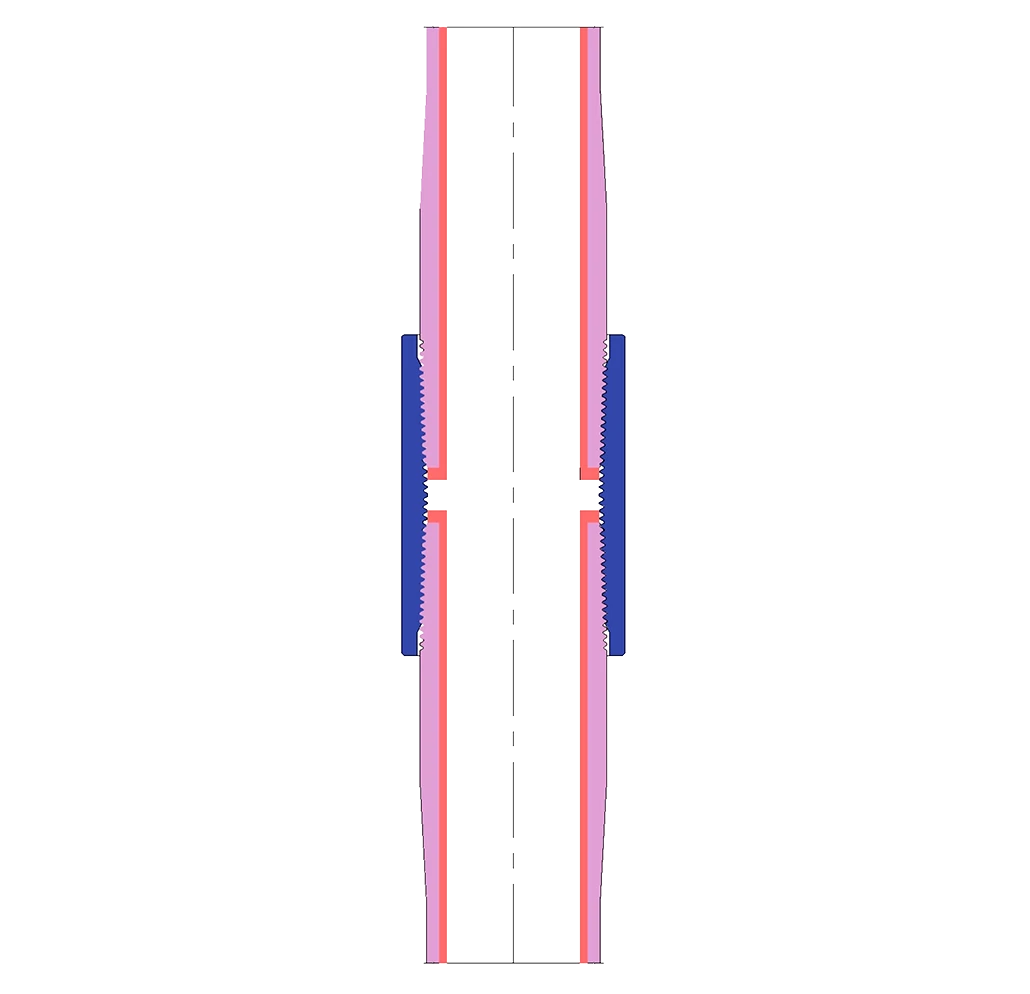
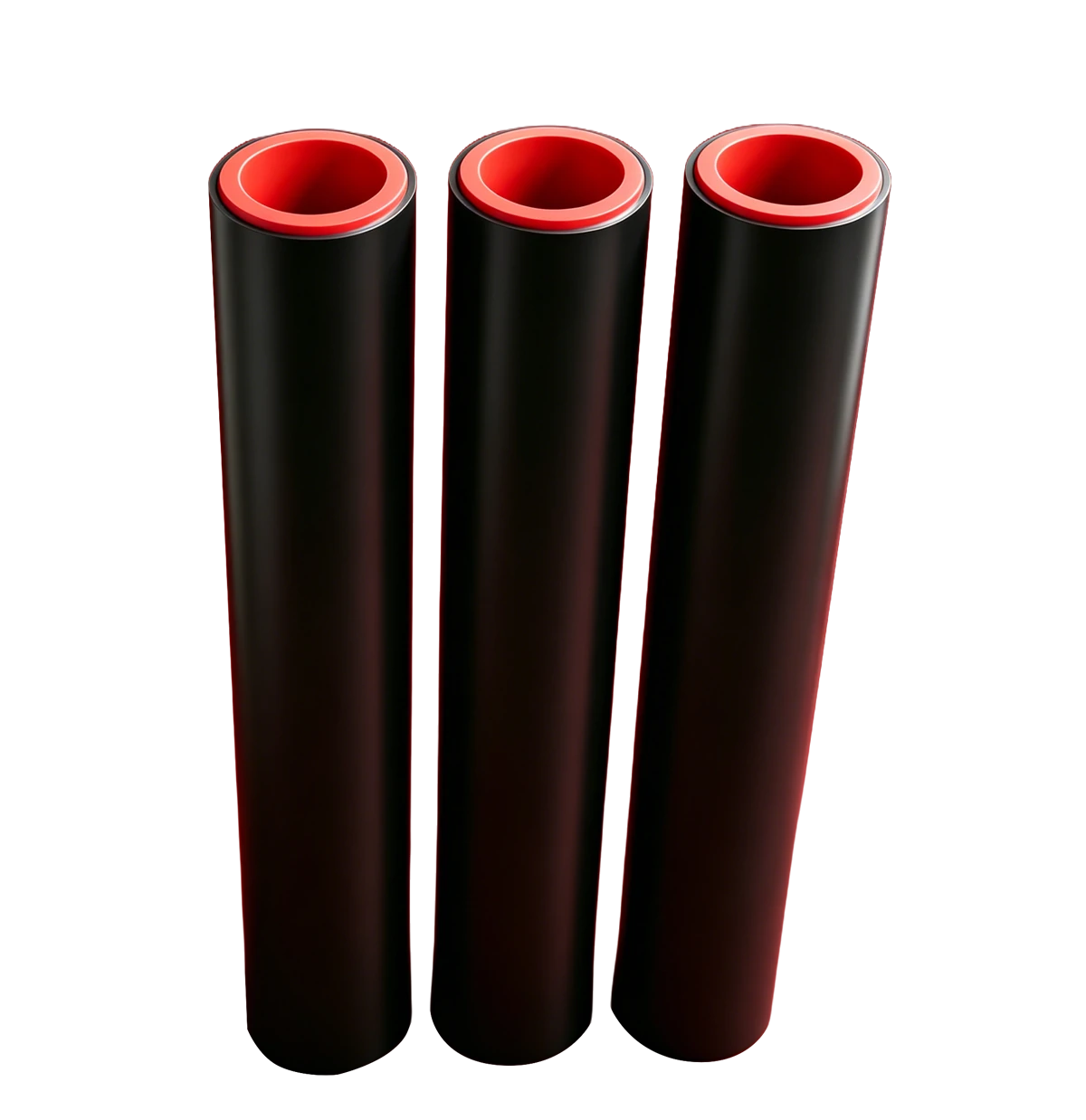

The inner lining layer has stable chemical properties, which can isolate weak acids/bases, H₂S, CO₂, highly mineralized salt water, and various corrosion-inhibiting/acidifying agents, thereby preventing electrochemical corrosion and pitting corrosion of the inner wall of the steel pipe.

The inner liner features a low friction coefficient and self-lubricating properties, significantly outperforming steel pipes in terms of wear resistance. This significantly reduces the friction-related wear and tear on oil-pumping rods and pipes, making it a proven solution for managing wear in inclined wells, directional wells, and cluster wells.

The inner surface is smooth and has weak adhesion properties, making it difficult for crude oil wax crystals and salt deposits to adhere. This reduces the need for thermal cleaning, wax removal, and chemical application, thereby lowering the costs associated with these processes and well-cleaning operations.
With extensive experience in the production of OCTG, we possess state-of-the-art equipment and scalable manufacturing capabilities, enabling us to consistently deliver high-quality products.
We have been deeply involved in the OCTG for an extended period, and we have a reliable quality control system in place, ensuring stable and reliable product quality.
Our team of professional technical service experts is available 24/7 to provide on-site technical support for pipe installation work, helping to ensure the long-term efficient operation of equipment.