A layer of high-performance corrosion-resistant and wear-resistant coating (typically epoxy phenolic resin, nanomodified materials, or graphene) is applied to the inner wall of a carbon steel oil pipe. This solution addresses moderate corrosion, wear, and scaling/crystallization issues, at a lower cost than non-metallic inner lining pipes and offers high value for money.
Product specifications: 2-7/8” to 3-1/2”
Steel grade: N80, L80
General corrosion, wax formation, and medium to shallow wells are preferred.
Economical epoxy-phenolic inner coating, focused on standard corrosion protection for shallow wells, low cost, and non-shrinkage of the pipe diameter.
Modified epoxy-phenolic inner-coated oil pipes, suitable for shallow wells, mild corrosion/scaling, and budget-conscious economic products, focusing on basic corrosion protection and non-damage to the pipe diameter.
The modified epoxy-phenolic inner-coated oil pipe is an economical product suitable for medium-depth and moderate corrosion conditions. Its main features include corrosion resistance, anti-scaling, wear resistance, and seamless tubing.
A high-performance epoxy-phenolic-based inner coating oil pipe specifically designed for corrosion protection, anti-scaling, and wear resistance on the inner walls of oil and gas well casings. It is widely used in oil/water wells with moderate corrosion, wear, and scaling issues.
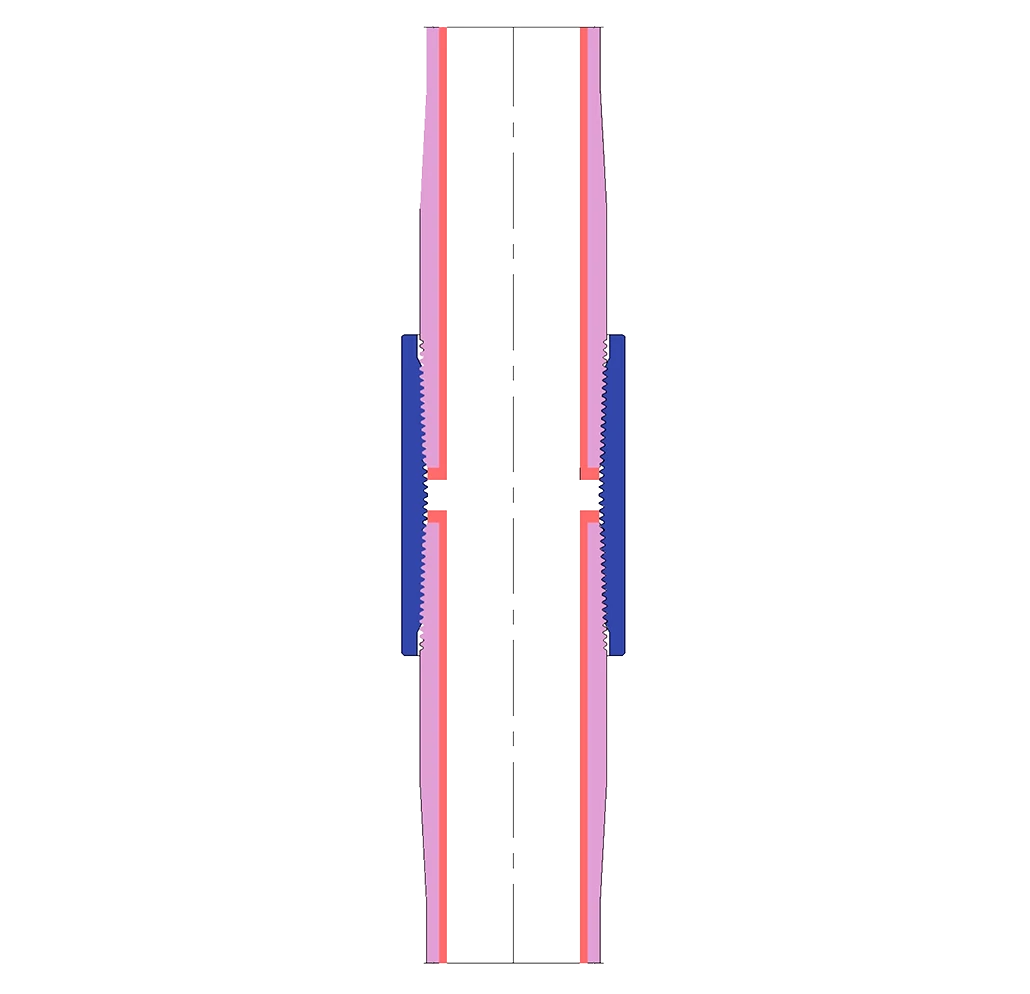
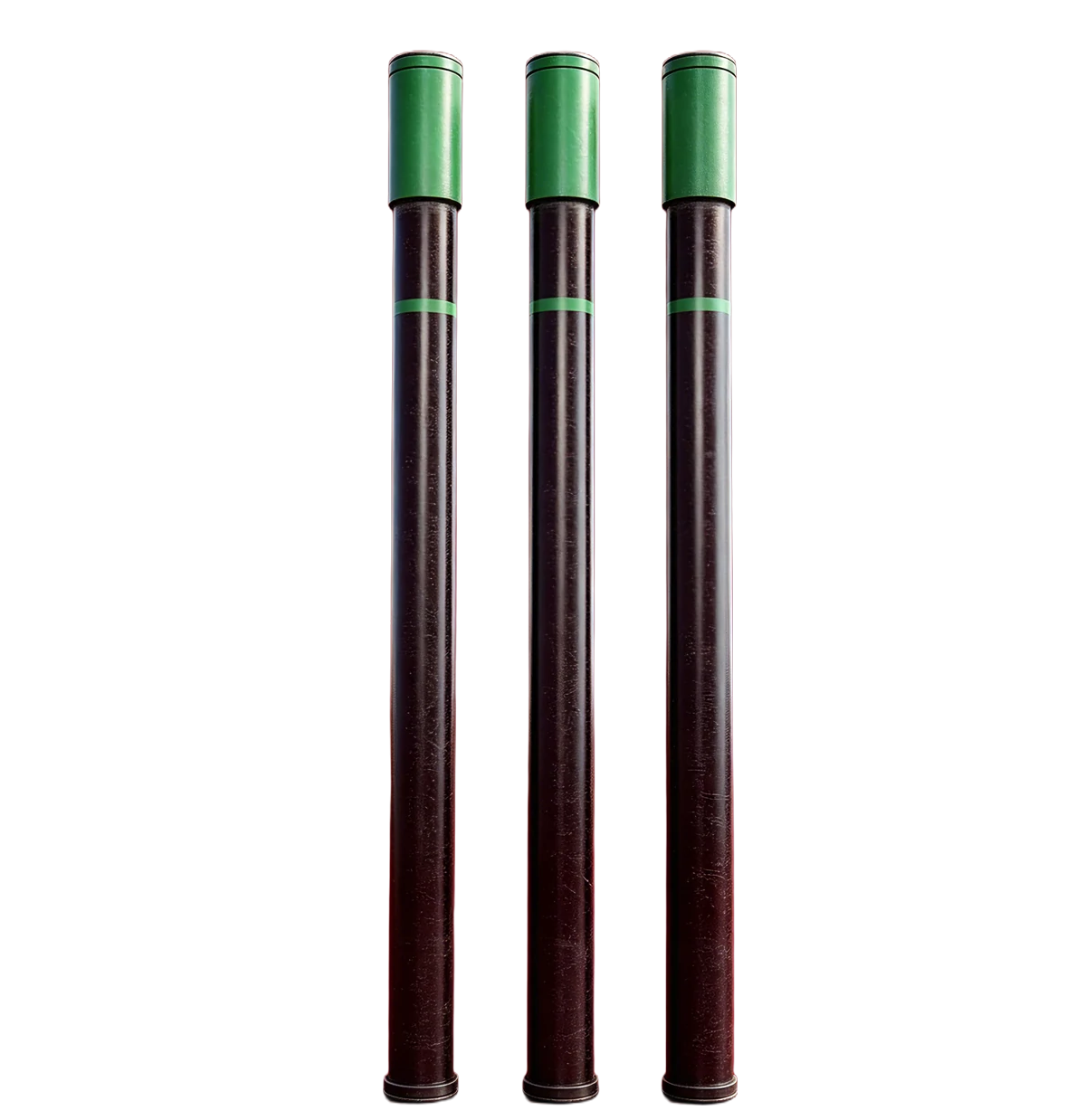

It can withstand strong corrosive media such as H₂S, CO₂, Cl⁻, formation water, and crude oil, preventing electrochemical corrosion and bacterial corrosion, and resolving the problem of short-term perforation of ordinary oil pipes.

The coating is highly inert and does not react with the medium; no harmful substances are released, meeting environmental protection requirements.

Special processes ensure that the coating adheres tightly to the inner surface of the steel pipe, resisting high temperatures, aging, and peeling.
With long-term expertise in the manufacturing of OCTG, we possess advanced equipment and large-scale production capabilities, enabling us to consistently deliver high-quality products.
With long-term expertise in the manufacturing of OCTG, we possess a reliable quality control system, ensuring stable and dependable product quality.
Our team of professional technical service experts is available 24/7 to provide on-site technical support for pipe installation work, helping to ensure the long-term efficient operation of equipment.