Since initiating R&D in steel continuous sucker rods in 2000, our company has established itself as one of the rare domestic enterprises seamlessly integrating scientific research, manufacturing, and comprehensive services. Demonstrating our industry leadership, we served as the primary drafting unit for the national industrial standard SY/T6585 Continuous Sucker Rod. Supported by national special funds, our proprietary product line boasts an extensive portfolio of independent patents.
Engineered with an advanced coupling-free design, our system effectively reduces failure frequency and mitigates rod-tubing wear, thereby enhancing pump efficiency and liquid production rates while lowering overall string weight. Specifically optimized for deployment in small tubing conditions, this technology significantly enhances operational efficiency, providing oilfield operators with a highly reliable, cost-effective solution that optimizes both capital expenditure and long-term production output.
Featuring a coupling-free, integrated structural design, the product is manufactured by assembling and welding continuous rods of varying specifications based on the equal-stress principle. It boasts high tensile strength, superior flexibility, and exceptional fatigue resistance, ensuring long-term stable operation under complex wellbore conditions.
Eliminates the inherent failure points associated with threaded couplings in conventional sucker rods. This seamless architecture ensures a more stable overall structure, significantly reduces working stress on the rod string, and extends operational service life.
Establishes line contact with the tubing wall, distributing loads over a larger contact area to minimize localized pressure. This design drastically mitigates rod-tubing wear and enhances overall equipment operational stability.
Fully compatible with small-diameter tubing configurations, which substantially lowers tubing material costs. This feature provides oilfield operators with an economical solution that maximizes cost-efficiency and overall economic benefits.
Weighs 8%-10% less than conventional sucker rods of equivalent length. The reduced mass facilitates easier transportation and installation, effectively lowering on-site labor intensity while boosting overall operational efficiency.
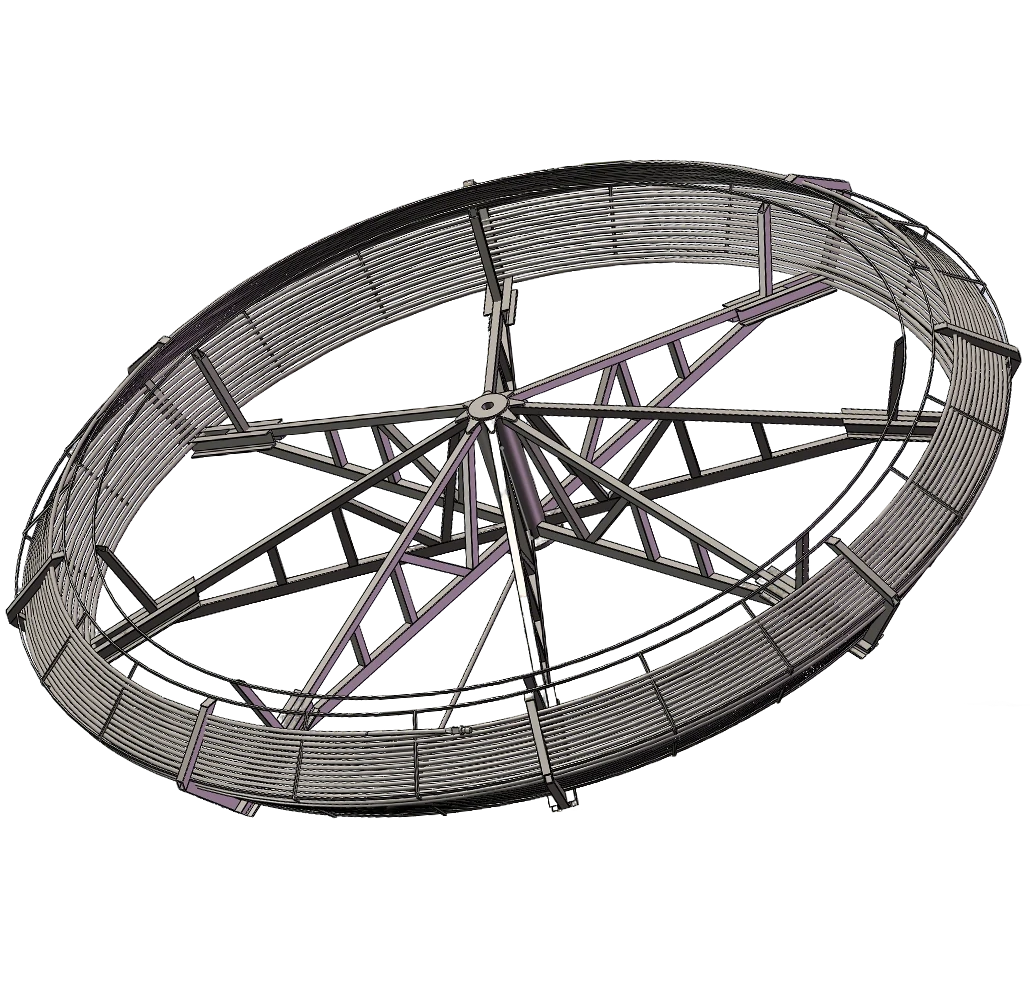
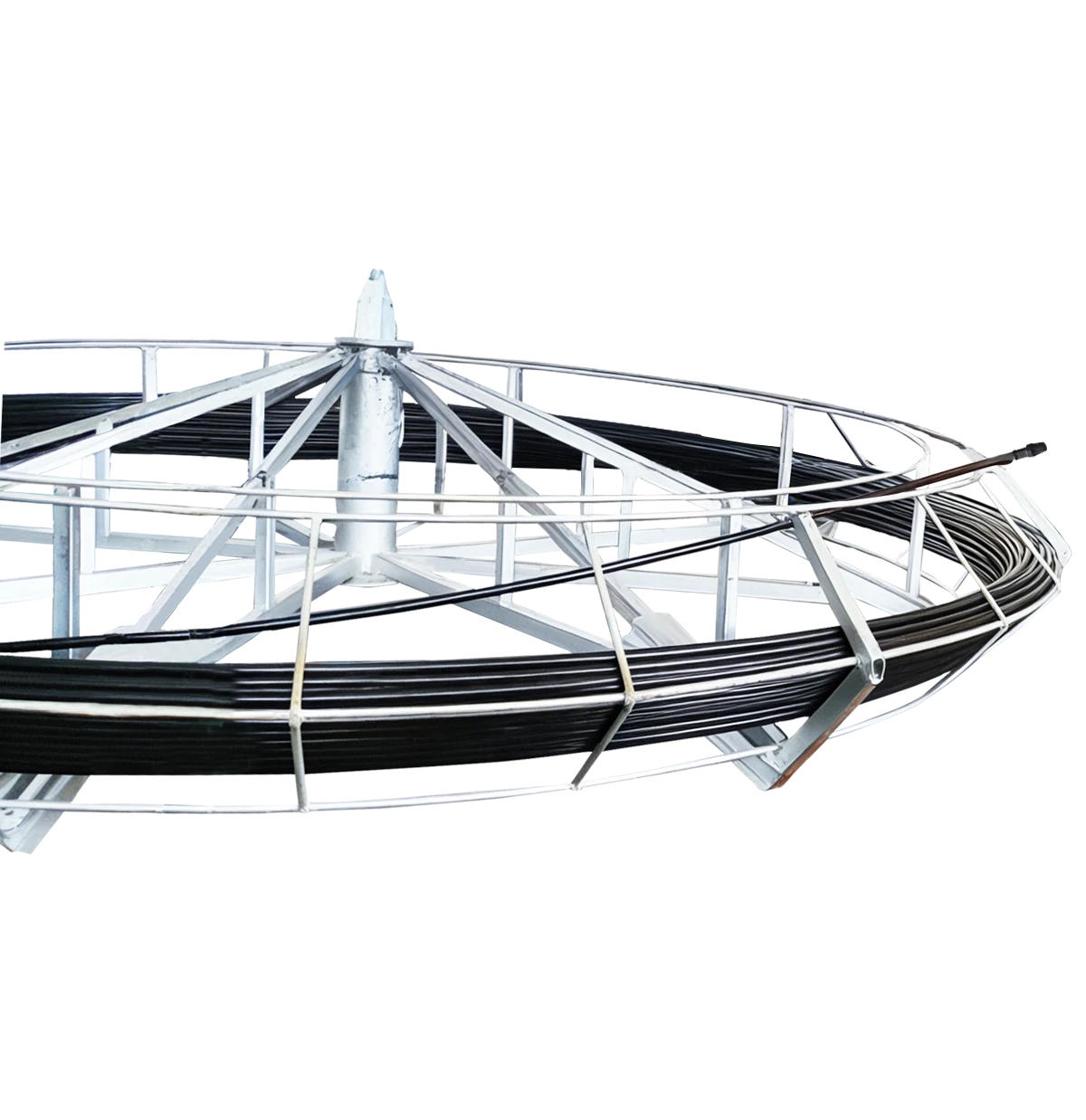

Traditional sucker rods are highly susceptible to failure at connecting points such as couplings and threaded joints. By eliminating these mechanical connections, the steel continuous sucker rod significantly reduces failure frequency. This structural advantage is particularly prominent when deployed in conjunction with progressive cavity pumps (screw pumps).

The continuous rod establishes line contact with the tubing wall, which increases the contact area and minimizes localized pressure to effectively reduce wear. This design fundamentally resolves the issue of thin-walled coupling damage inherent in traditional systems and greatly alleviates rod-tubing eccentric wear, thereby extending the service life of both the rod string and the tubing.

The removal of couplings increases the internal annular space within the tubing, reducing fluid flow resistance. This facilitates smoother lifting of well fluids, resulting in improved pump efficiency and increased liquid production rates for oil wells.

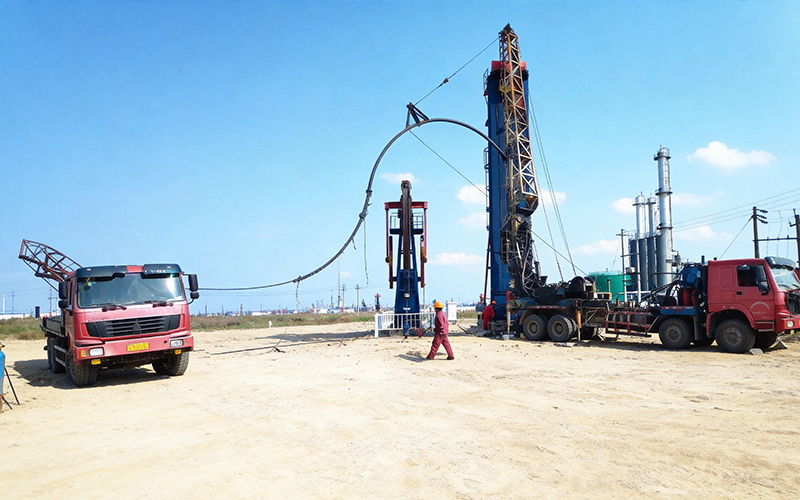
Designed to integrate seamlessly with continuous rod running and pulling units, this system drastically improves operational speed. It shortens oil well workover times, reduces on-site labor intensity, and ultimately maximizes overall production output.
Featuring an integrated coupling-free structure, this design fundamentally mitigates the risk of stress concentration and fatigue fracture at connection points. It is particularly well-suited for complex operating conditions involving progressive cavity pumps (PCPs), effectively extending pump inspection cycles.
The system establishes a line contact interface between the sucker rod and tubing, which increases the effective contact area and minimizes localized pressure. This design effectively alleviates rod-tubing eccentric wear, significantly extends the service life of both components, and reduces the frequency of downhole interventions.
The increased annular area within the tubing significantly reduces fluid flow resistance, resulting in a smoother flow passage. This structural optimization improves both the pump filling coefficient and lifting efficiency, thereby achieving higher liquid production rates under identical operating conditions.
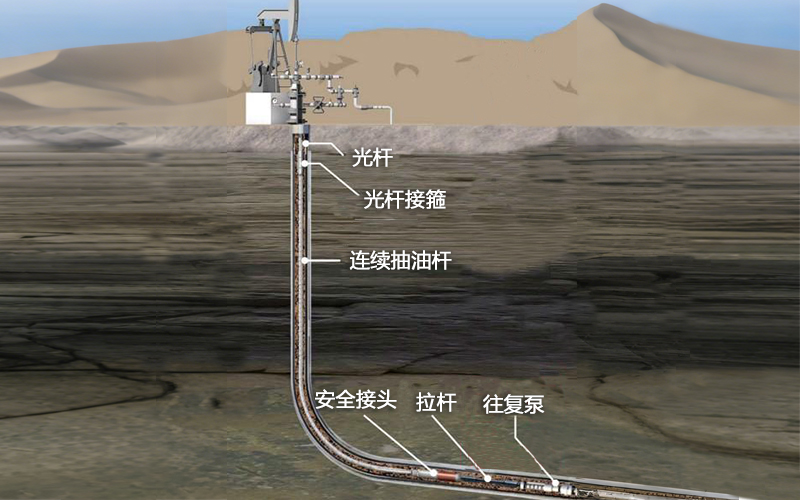
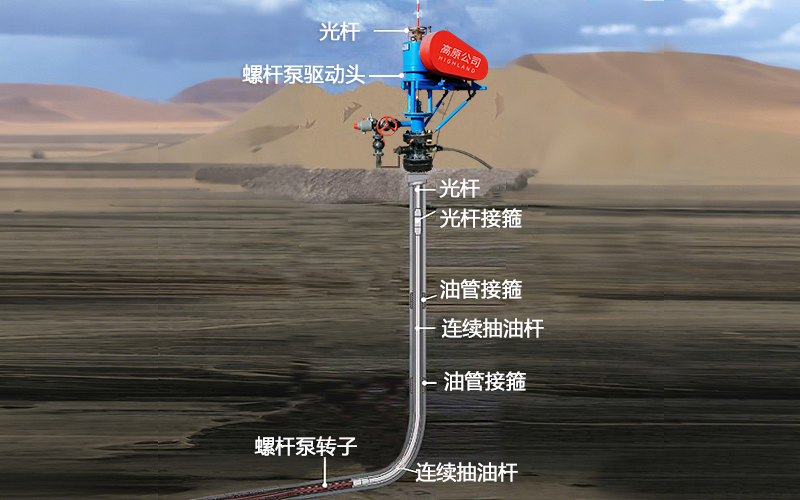

Scan the QR Code